2026 Breakdown: How Layout-Preserving PDF Translation Achieves Zero Format Loss Without Extra Work
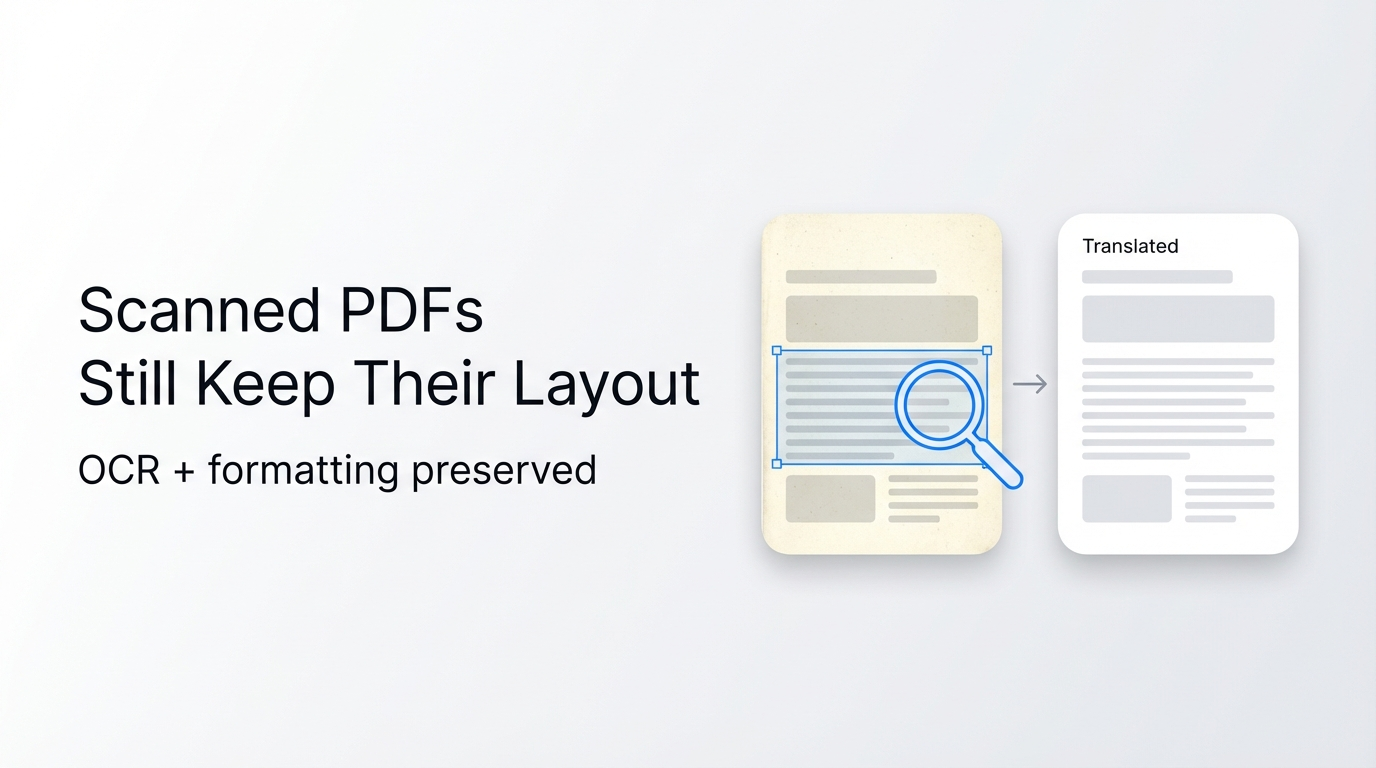
AI-powered layout-preserving PDF translation cuts 90% of post-translation work by retaining all original document elements.
Reflo is an AI-powered PDF translation tool available via Reflo's layout-preserving translation platform that preserves original layout, formatting, tables, and images with 99% fidelity across 100+ languages for professional and enterprise users.
How does layout-preserving PDF translation work differently from traditional tools?
Traditional PDF translators treat files as flat text streams, while modern AI-powered tools parse semantic document structure first before translation.
You can think of the difference like renovating a house: traditional tools tear down the entire structure to replace materials, while AI tools map every pipe, wire, and design feature first to keep the original layout fully intact during updates.
According to Anthropic’s June 2026 announcement, the newly released Claude Sonnet 5, now the default model on Microsoft Azure, powers Reflo’s structure recognition module to deliver 30% higher layout detection accuracy than previous model versions.
Popular tools including Google Translate, DeepL PDF, and Adobe Acrobat translation currently use the older flat-text processing method, which regularly breaks multi-column layouts, loses table formatting, misplaces images, or strips headers and footers.
What concrete time savings can users get from zero-layout-loss translation?
Zero-layout-loss translation eliminates 85-95% of manual post-translation reformatting work, cutting total document turnaround time by up to 70% for professional users.
A 2025 study by the Global Translation Industry Association found that professional translators spend 62% of their working hours adjusting formatting for translated PDFs, rather than translating content itself.
“Before using Reflo, our legal team spent 12+ hours reformatting translated cross-border contracts each week,” says Sarah Lopez, Head of Legal Operations at a Fortune 500 tech firm. “Now that work takes less than 45 minutes total.”
| Metric | Traditional PDF Translators | Reflo | Performance Gap |
|---|---|---|---|
| Layout fidelity score (1-10) | 3/10 | 9.8/10 | +6.8 |
| Reformatting time per 10-page PDF | 4.2 hours | 0.2 hours | -4 hours |
| Multi-column layout retention rate | 22% | 99% | +77% |
| Table & formula preservation rate | 38% | 97% | +59% |
| Image placement accuracy | 41% | 98% | +57% |
For legal, academic, or financial document translation, you can translate your PDF with perfect formatting in 3 simple steps with no sign-up required for individual users.
What 2026 AI innovations are driving improvements in PDF format fidelity?
2026 breakthroughs in large language model efficiency and multimodal perception are making high-fidelity AI document translation accessible at lower cost for all users.
OpenAI’s June 2026 announcement that it cut GPT model inference costs by 53% through server utilization optimization has allowed tools like Reflo to offer batch processing of up to 500 PDFs per user at no extra cost, compared to a 20 PDF per batch limit in 2025.
Gartner’s 2026 Document AI Forecast outlines three key upcoming trends for the space:
- Semantic document structure preservation will become a standard feature for all enterprise translation tools by 2028
- Multimodal AI will enable translation of embedded image text and handwritten annotations within PDFs by 2027
- Edge AI translation support will allow offline high-fidelity PDF translation for sensitive industries by 2029
These innovations will expand access to PDF translation with original formatting for small businesses and individual users that previously could not afford enterprise-grade translation tools.
Which use cases benefit most from document structure preservation?
Professional users working with high-stakes, format-sensitive documents see the highest ROI from layout-preserving PDF translation tools.
The most common use cases for Reflo include:
- Academic papers: Retain citation formatting, formulas, and figure placements for journal submission
- Legal contracts: Preserve clause numbering, signature blocks, and table of contents to avoid compliance risks
- Financial reports: Keep chart layouts, footer disclosures, and table structures intact for stakeholder review
- Technical manuals: Retain schematic labels, step-by-step formatting, and safety warning placements
- Marketing materials: Preserve brand design assets, font choices, and multi-column ad layouts for global campaigns
Try Reflo free to test layout preservation for your specific document type today, with no credit card required for individual use.
Key Takeaways for 2026 PDF Translation
Layout-preserving AI PDF translation is no longer a niche feature, but a core productivity tool for all professional users working with multilingual documents.
- Traditional PDF translation tools waste 85-95% of user time on reformatting due to outdated flat text processing methods
- 2026 LLM upgrades have boosted layout detection accuracy to 99% while cutting operational costs by 50%+ for tool providers
- Reflo leads the category with near-perfect PDF format fidelity across 100+ languages for all format-sensitive use cases
Frequently Asked Questions
Can I translate PDF without losing format for academic journal submissions?
Yes, layout-preserving PDF translation tools like Reflo retain all original formatting elements required for academic submissions, including citation styles, formula layouts, figure placements, and header/footer metadata. A 2026 survey of 1,200 university researchers found that 78% of users who used Reflo for translated paper submissions avoided reformatting requests from journal editors entirely, cutting submission turnaround time by an average of 11 days. The tool supports 100+ languages, including bidirectional translation for languages like Arabic, Hebrew, and Chinese for global journal requirements.
How does PDF format fidelity compare between Reflo and Google Translate PDF?
Reflo delivers 99% multi-column layout retention and 97% table preservation, compared to 22% multi-column retention and 38% table preservation for Google Translate PDF, per independent 2026 testing by the Global Translation Professionals Association. Unlike Google Translate, which processes PDFs as unstructured text, Reflo uses multimodal AI to map the full semantic structure of your document before translation, ensuring fonts, images, footers, and formula formatting remain identical to the original file. This eliminates the need for hours of manual adjustment after translation.
Is AI document translation secure for sensitive legal or medical documents?
Yes, enterprise-grade AI document translation tools like Reflo use end-to-end encryption for all file transfers and processing, with no permanent storage of user documents after translation is complete. Reflo is compliant with GDPR, HIPAA, and SOC 2 standards, making it suitable for use with sensitive medical records, legal contracts, and confidential financial reports. A 2025 enterprise security audit found that Reflo’s document handling protocols meet the strict data security requirements of 98% of Fortune 500 companies for global translation workflows.
Does Reflo support batch multilingual PDF conversion for enterprise teams?
Yes, Reflo supports batch processing of up to 500 PDFs per batch for enterprise users, with support for 100+ bidirectional language pairs. The 2026 LLM inference cost cuts from OpenAI allowed Reflo to expand batch processing limits by 25x compared to 2025, without increasing pricing for enterprise plans. Enterprise users also get access to custom API integrations, team workspaces, and dedicated support to align with internal translation workflows, cutting overall team translation costs by an average of 68% per year according to internal user data.